Stop Calling Us Strong: What Special Needs Mothers Actually Need
Quick answer: Special needs mothers do not need to be called strong. They need concrete support: systems that work, communities that include, resources that are accessible, and spaces where they do not have to explain themselves or perform gratitude for surviving.
They call us strong.
They say it with admiration.
They say it with sympathy.
They say it like it’s a compliment.
“You’re so strong.”
“I don’t know how you do it.”
“I could never handle what you handle.”
But here’s the truth most people don’t understand:
Strength isn’t a choice for us.
It’s survival.
When you’re raising a child with special needs, you don’t wake up and choose strength. You wake up because someone needs you. You learn insurance language because someone won’t approve therapy. You memorize educational laws because your child deserves support. You sit in IEP meetings that feel more like courtrooms than classrooms.
And then you go home and cook dinner like nothing happened.
That’s not inspirational.
That’s pressure.
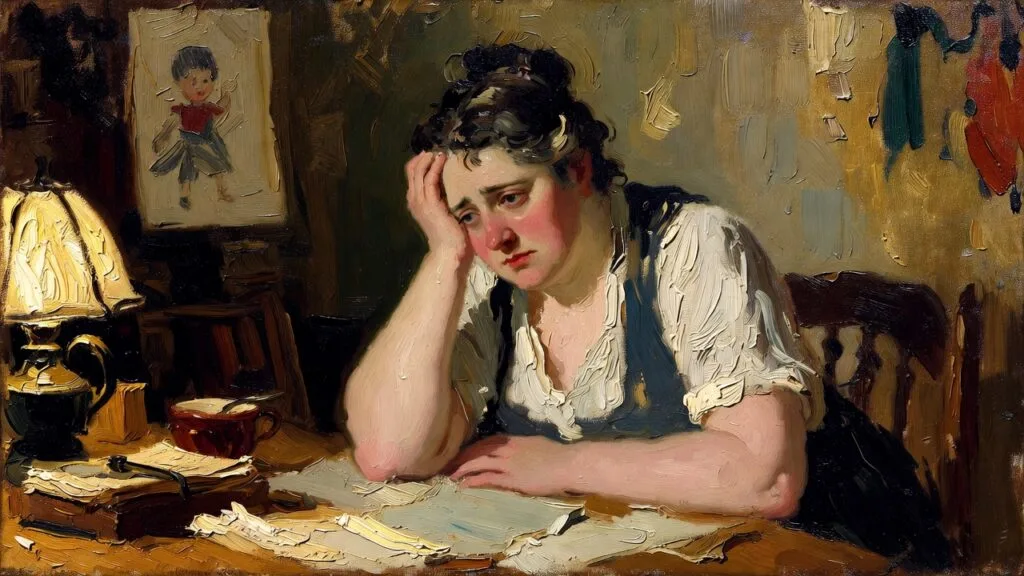
The Invisible Weight
What people don’t see is the invisible weight.
They don’t see the late-night research.
They don’t see the financial strain of therapy.
They don’t see the quiet fear about the future.
They don’t see the exhaustion of always being “the advocate.”
They see a smile at school pickup.
They see a brave post online.
They see a mother “handling it.”
What they don’t see is the moment in the car when everything feels heavy.
Calling us strong sometimes becomes a way to excuse the lack of support.
If she’s strong, she doesn’t need help.
If she’s strong, she can manage.
If she’s strong, she’ll figure it out.
But strength should not replace systems.
Strength should not replace resources.
Strength should not replace community.
What We Actually Need
We don’t need applause.
We need:
• Schools that listen.
• Therapists that communicate clearly.
• Insurance systems that don’t fight us.
• Communities that include our children.
• Policies that protect our families.
• Financial relief.
• Emotional support that doesn’t feel performative. Finding Your Path starts from the same place this article does, that being called strong is not the same as being supported.
We need spaces where we don’t have to explain everything.
We need people who understand that loving our child deeply and feeling exhausted can exist at the same time.
Both are true.
The Shift From Survival to Power
There is something powerful happening right now.
Mothers are speaking up.
Mothers are connecting.
Mothers are refusing to be silent.
For years, special needs motherhood has been framed as inspirational content. A story for others to admire from a distance.
But we are not here to be admired.
We are here to be heard.
And when mothers come together, something changes.
Information becomes strategy.
Isolation becomes community.
Burnout becomes shared strength.
This is not about complaining.
This is about advocacy.
This is about shifting from silent endurance to collective voice.
If You’re Reading This
If you are a mother raising a child with special needs and you feel unseen, exhausted, overwhelmed, or strong beyond your own limits…
You are not alone.
But you shouldn’t have to do this alone.
We are building something bigger than tips.
Bigger than blog posts.
Bigger than inspiration.
We are building a community that speaks the truths nobody says out loud.
Because strength should be honored.
Not assumed.
And support should be normal.
Not rare.
If this is your life, this space is yours.
Why the “Strong Mom” Narrative Is Harmful
The “strong mom” framing is not just annoying. Research from the Child Mind Institute on parent mental health suggests that when caregivers are socially positioned as resilient and capable, they are less likely to receive offers of practical help and less likely to ask for it. The strength narrative inadvertently creates a barrier to support by telling the world that the person in question is managing. They are often not managing. They are coping, which is a very different thing.
The National Institute of Mental Health has documented caregiver stress as a significant public health concern, with caregivers of children with disabilities showing elevated rates of depression, anxiety, and physical health decline compared to non-caregiver peers. This is not a personal failing. This is a documented systemic problem that requires systemic responses, not more admiration for individual endurance.
When you tell a special needs mom she is strong, you are usually saying something kind. But kindness in the form of admiration, without accompanying action, material support, or genuine effort to understand what she is actually experiencing, lands differently than you intend. It lands as distance. It lands as an exit. It lets the observer feel good about acknowledging the difficulty without doing anything about it.
If you want more of this kind of honest, practical guidance, Circles of Support goes deeper into building the real, practical community that special needs families need instead of just admiration from a distance.
What Systemic Change Actually Looks Like
When special needs mothers say they need better systems, they are not being ungrateful for what exists. They are being accurate. They have spent years navigating insurance denials, waitlists measured in years not months, school systems that require constant litigation to access legally mandated services, and a healthcare system that was not designed for children with complex needs. They know the gaps not from theory but from lived experience in the gaps.
Systemic change includes: insurance coverage that does not require repeated appeals for already-approved services. Therapy waitlists that do not leave families in crisis for eighteen months. School IEP processes that do not require families to become amateur attorneys to get their children basic support. Respite care that is accessible, affordable, and not rationed to the point of meaninglessness. These are not luxury requests. They are the basic infrastructure of a society that claims to support its most vulnerable.
Until those systems change, the least the rest of us can do is stop making the inadequacy comfortable by calling the people who survive it inspirational. Make it uncomfortable instead. Use what you observe in special needs families to advocate for the systemic changes that would make their lives actually easier. That is a better tribute than admiration from a distance.
What You Can Do Right Now
If you know a special needs family, ask what specifically would help this week. Not someday, not in the abstract, but this week. If you are a special needs mom reading this, know that your anger at inadequate support is not a character flaw. It is appropriate and it is data. And if you are in a position to advocate for policy change or community inclusion, use that position. The mothers who are too exhausted to fight systemic battles need people with more spare bandwidth to fight alongside them.
Finding Your Path: A Guide to Self-Care for Mothers of Special Needs Children
Sources and further reading
Frequently Asked Questions
Why does being called strong feel so frustrating?
Because it often functions as a way to end a conversation rather than deepen one. “You’re so strong” lets the other person feel like they acknowledged your situation while requiring nothing of themselves. Special needs moms often hear strength as a substitute for actual support.
What actually helps a special needs mom more than compliments?
Concrete help. Showing up with dinner. Offering to sit with her child so she can sleep. Asking what her week has actually been like and listening to the answer. Following through when you say you will help. Presence over words, action over admiration.
How do I explain to well-meaning people that “you’re so strong” is not helpful?
You do not have to explain if you do not want to. But if you do, a simple version works: “I appreciate what you mean, but what would actually help is [specific thing]. Is that something you could do?” Redirecting to the actionable is more useful than educating on why the compliment misses the mark.
Is it okay to feel angry about being called strong?
Yes. The anger often contains accurate information about what is missing. Let it point you toward what you actually need rather than suppressing it because it seems ungrateful toward people who meant well.
What does good support for a special needs mom actually look like?
It looks like someone asking what a hard week involves and actually listening. It looks like a friend who does not flinch at the complicated parts. It looks like advocacy, resources, systemic change, and community that shows up in the practical rather than just the inspirational.
How do I find community that actually understands what I am going through?
Other special needs parents are your most likely source of genuine understanding. Diagnosis-specific Facebook groups, local therapy waiting rooms, school special education community events, and online forums for parents of children with similar conditions are all places where you might find people who do not need a lengthy explanation before they get it.
The shift from “look how strong she is” to “how can I actually help” is not a complicated one. It just requires redirecting the same care that goes into the compliment into something that lands as support rather than observation. Start there. That is enough to make a difference in someone’s week.
And to the mother reading this at midnight, in the middle of another hard stretch, wondering if anyone actually understands: you were right to name what was missing. The inadequacy you are experiencing is real. The systems are failing you. Your exhaustion is evidence of that. Keep naming it. Keep connecting with others who understand. Keep refusing to make inadequate support comfortable by calling it strength.