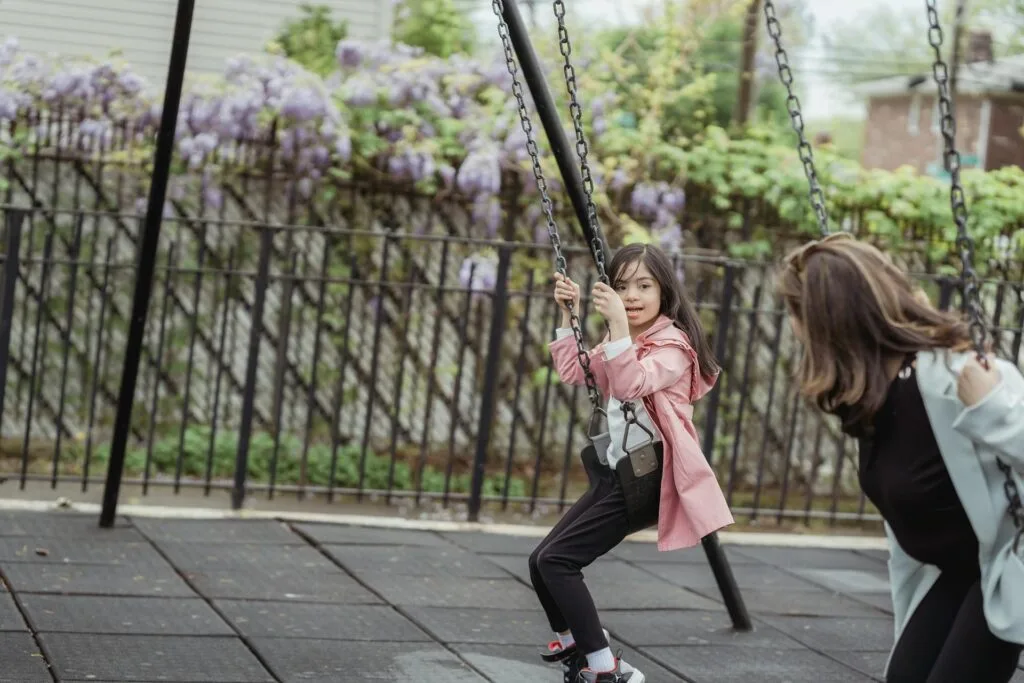
Proprioceptive activities autism experts recommend most are simple, heavy work tasks you probably already have at home. If your child is constantly crashing, pushing, pulling, or seeking out tight squeezes, their proprioceptive system is asking for input. This guide gives you a complete list of heavy work activities that actually calm the nervous system, ranked by effectiveness and ease of use at home.
Heavy work is one part of a full sensory plan. See how it fits in our complete sensory tools for autism guide.

What is proprioception and why does it matter for autism?
Proprioception is your body’s internal GPS system. It tells your brain where your limbs are in space without you having to look. For autistic children, this system often works differently. Many autistic kids are proprioceptive seekers, meaning they crave deep pressure and heavy input because their nervous system requires more stimulation to register the signal.
When proprioceptive needs go unmet, you see behaviors that look like seeking: jumping off furniture, crashing into walls, pushing siblings, always wanting to carry things, or needing to be squeezed tightly. These are not intentional behaviors. They are your child’s nervous system doing its job and asking for what it needs.
Occupational therapists call activities that provide this input “heavy work.” Heavy work activates the muscles and joints and sends organizing signals to the brain. It is one of the most reliable calming tools in sensory integration therapy.
Proprioceptive activities autism OTs recommend most
These are not complicated or expensive. Most proprioceptive activities autism therapists recommend can be built into your daily routine using what you already have.
1. Carrying heavy loads
Ask your child to carry a backpack filled with books, a laundry basket, or grocery bags. The heavier the load, the more joint compression and muscle activation occurs. This is called proprioceptive input through resistance. Even carrying a bag of rice from one room to another can shift the nervous system within minutes.
2. Pushing and pulling activities
Pushing a wheelbarrow, pulling a wagon, pushing a full laundry cart, or sliding heavy boxes across the floor all provide intense proprioceptive feedback. These activities work the large muscle groups and activate the vestibular-proprioceptive connection. Your child can push the vacuum cleaner, move outdoor planters, or help rearrange furniture.
3. Climbing and wall push-ups
Climbing on a jungle gym, up a flight of stairs while carrying something, or doing wall push-ups all provide strong proprioceptive input to the shoulders, arms, and core. Wall push-ups are especially useful in small spaces and can be done at any time. They take less than 30 seconds and can help reset the nervous system before a difficult transition.
4. Jumping on a trampoline
A mini trampoline provides simultaneous vestibular and proprioceptive input, making it one of the most effective regulation tools available. The joint compression on landing is particularly organizing. Unlike other forms of movement, the rhythmic pattern of jumping adds a predictability that the nervous system finds soothing.
5. Weighted lap pad or vest
A weighted lap pad worn during seated activities like meals or homework provides sustained proprioceptive input to the thighs and hips. A weighted vest works similarly for the upper body. These tools are especially useful when your child cannot move around but needs regulation. Always consult your OT for appropriate weight levels, typically around 5 to 10 percent of body weight.
6. Kneading dough or clay
Working with heavy bread dough, clay, or resistive putty provides proprioceptive input through the hands and fingers. This is excellent for children who seek oral input as well, as the resistance gives the hands something satisfying to do. Theraputty comes in different resistance levels and can be used during meals, TV time, or homework.
7. Animal walks
Bear walks, crab walks, and inchworm crawls are occupational therapy staples for good reason. They provide full-body proprioceptive input and can be done anywhere with no equipment. Bear walk down the hallway before school, crab walk across the living room, or wheelbarrow walk to the bathroom to brush teeth. These work beautifully as a heavy work “break” before demanding tasks.
8. Chewing crunchy or chewy foods
The jaw has proprioceptive receptors too. Crunchy foods like carrots, apples, pretzels, or celery, and chewy foods like dried mango, gummy vitamins, or meat, provide jaw proprioception that can help regulate the whole nervous system. This is one reason many autistic children mouth objects or grind their teeth. They are seeking proprioceptive input orally. Creating Calm covers the space these activities happen in, which decides how often they actually get done.
9. Yoga poses for children
Downward dog, child’s pose, warrior, and plank pose all involve sustained joint compression and muscle activation. Even five minutes of yoga-style movement provides organizing proprioceptive input. You can find free autism-friendly yoga YouTube videos to follow along with your child.
10. Deep pressure massage or joint compression
A deep, firm massage on the arms, legs, and back is different from a light tickling touch. Firm pressure activates proprioceptors throughout the muscles. Joint compression, where you gently press the joints together at the shoulder, elbow, wrist, hip, and knee, is a specific OT technique that provides calming proprioceptive input. Ask your occupational therapist to show you the correct technique.
How to build a proprioceptive diet at home
A sensory diet is a schedule of sensory activities built into your child’s day, designed by an OT to meet their specific needs. For proprioceptive seekers, a heavy work activity every 60 to 90 minutes throughout the day is often recommended.
Here is a simple framework:
- Morning: 5 minutes of animal walks before breakfast, carry a heavy backpack to the car
- Mid-morning: Wall push-ups or jumping before a demanding task like homework or therapy
- Lunch: Crunchy foods as part of the meal, weighted lap pad during eating
- Afternoon: Trampoline time after school, outdoor heavy play (digging, pushing a wheelbarrow)
- Evening: Deep pressure massage before bath time, chewy snack during wind-down
Track which activities work best for your child. Every child is different. Some respond more to resistive activities, others to deep pressure. Keep a simple log for a week and share it with your OT at your next session.
Proprioceptive input vs. vestibular input: what is the difference?
Parents often confuse proprioceptive and vestibular input. They work together but are not the same:
- Proprioceptive input comes from muscles, joints, and tendons. It tells your brain how much force your body is using and where your limbs are. Heavy work primarily targets this system.
- Vestibular input comes from the inner ear. It tells your brain about movement, gravity, and balance. Swinging, spinning, and rocking target this system.
Many activities, like jumping on a trampoline or climbing, provide both. But if your child is primarily a crasher and pusher rather than a spinner and swinger, their primary need is likely proprioceptive. If they are constantly seeking movement and spinning, their primary need may be vestibular.
When to see an occupational therapist
Home activities are powerful, but they work best as part of a professional OT plan. If your child’s proprioceptive seeking is affecting daily life, school, or relationships, an OT evaluation is the right next step. A good pediatric OT will assess your child’s sensory profile, design a specific sensory diet, and teach you techniques you can use every day.
The American Occupational Therapy Association has a practitioner locator to help you find a qualified OT near you. The STAR Institute for Sensory Processing also offers resources and a therapist directory for sensory-specific care.
If you are in the early stages of figuring out your child’s needs, our free meltdown reset guide is a good starting point for home-based strategies that work alongside sensory tools.
Heavy work activities by setting
Indoor heavy work
- Carrying laundry baskets between floors
- Pushing furniture to sweep underneath
- Wall push-ups in the hallway
- Animal walks through the house
- Kneading dough in the kitchen
- Using a resistive exercise band
Outdoor heavy work
- Digging in a garden or sandbox
- Pushing a wheelbarrow with soil or rocks
- Carrying heavy buckets of water
- Climbing trees or playground structures
- Pulling a wagon with a sibling or load
- Raking leaves
Classroom and on-the-go heavy work
- Carrying books or a backpack between classrooms
- Being the “helper” who hands out materials
- Chair push-ups at the desk (pressing up from the armrests)
- Carrying a heavy grocery bag at the store
- Weighted backpack during community outings
Tools that support proprioceptive input at home
You do not need to spend a lot of money, but a few targeted tools can make your proprioceptive diet more consistent and effective:
- Mini trampoline: One of the most versatile sensory tools you can own. Provides both proprioceptive and vestibular input.
- Theraputty or resistive putty: Multiple resistance levels for hand strengthening and sensory input.
- Weighted blanket or vest: For sustained deep pressure during seated activities or sleep.
- Resistance bands: Inexpensive and versatile for upper and lower body heavy work activities.
- Sensory swing: While primarily vestibular, swings that allow crashing or deep pressure add proprioceptive benefit. Related (coming soon): Sensory swing vs. weighted blanket for autism, which tool fits your child best.

Creating Calm: Designing a Soothing Home Environment for Special Needs
Sources and further reading
Frequently asked questions about proprioceptive activities for autism
How do I know if my child needs more proprioceptive input?
Look for seeking behaviors: crashing, pushing, carrying things unnecessarily, always wanting to be squeezed, grinding teeth, chewing on clothing, and difficulty sitting still. These are hallmark signs of proprioceptive seeking. An OT evaluation can formally assess your child’s sensory profile.
Can heavy work activities calm a meltdown?
Not always in the middle of a meltdown, when the nervous system is already overloaded. Heavy work is most effective as a preventative tool, built into the day proactively. After the peak of a meltdown has passed, gentle deep pressure can help bring the nervous system back down.
How long do the calming effects of heavy work last?
Most OTs report that the calming effects of heavy work last between 60 and 90 minutes. This is why scheduling heavy work into the day at regular intervals, roughly every hour to an hour and a half, is more effective than occasional long sessions.
Is there such a thing as too much proprioceptive input?
Most children self-regulate and will move away from an activity when they have had enough. Very rarely, excessive proprioceptive seeking can indicate other issues that warrant medical evaluation. If your child seems unable to stop crashing or injures themselves during seeking behaviors, consult your pediatrician and OT.
Do proprioceptive activities help with sleep?
Yes. Heavy work in the hours before bedtime can help calm the nervous system for sleep. Activities like a deep pressure massage, carrying laundry, or gentle resistance exercises before the bedtime routine are commonly recommended by OTs for children with sleep difficulties related to sensory processing.
Can I do proprioceptive activities without a therapist?
Yes, many heavy work activities are safe to do independently at home. Carrying, pushing, pulling, jumping, and deep pressure are generally low-risk for most children. However, specific techniques like joint compression should be learned from a qualified OT first to ensure correct application.
If you are just starting out
If you are just starting this journey, you are not alone. A lot of parents arrive here at the same point. Noticing the behaviors, wondering what they mean, and looking for something that actually helps. Boundless Love: Nurturing the Emotional Growth of Special Needs Children includes practical strategies for exactly these moments, alongside the emotional support a parent needs.
Proprioceptive activities autism families use every day do not have to be complicated or expensive. They just have to be consistent. Start with one or two from this list, build them into your routine, and give your child’s nervous system the input it is asking for.