The best sensory gift for an autistic child is not the most popular toy of the year. It is the one that matches what your child’s body is asking for. A child who climbs the couch all day needs something very different from a child who covers their ears at the grocery store.
So this guide is sorted by sensory need, not by age or price. Find the section that sounds like your child, then pick one or two things. You know your child best.
How to choose a sensory gift in 3 questions
- Does my child seek this input or avoid it? A child who seeks movement may love a swing. A child who avoids noise may love headphones. Many kids do both, depending on the sense.
- Where will it be used? A gift for the car, school, or a family gathering needs to be small and quiet. A gift for home can be bigger.
- Is something already working? If your child already has a favorite fidget or blanket, a second one for school or the car can be a better gift than something new.
If your child sees an occupational therapist, ask them before you buy anything weighted, heavy, or meant for climbing. They can tell you what fits your child’s body and plan.
Gifts for kids who seek movement
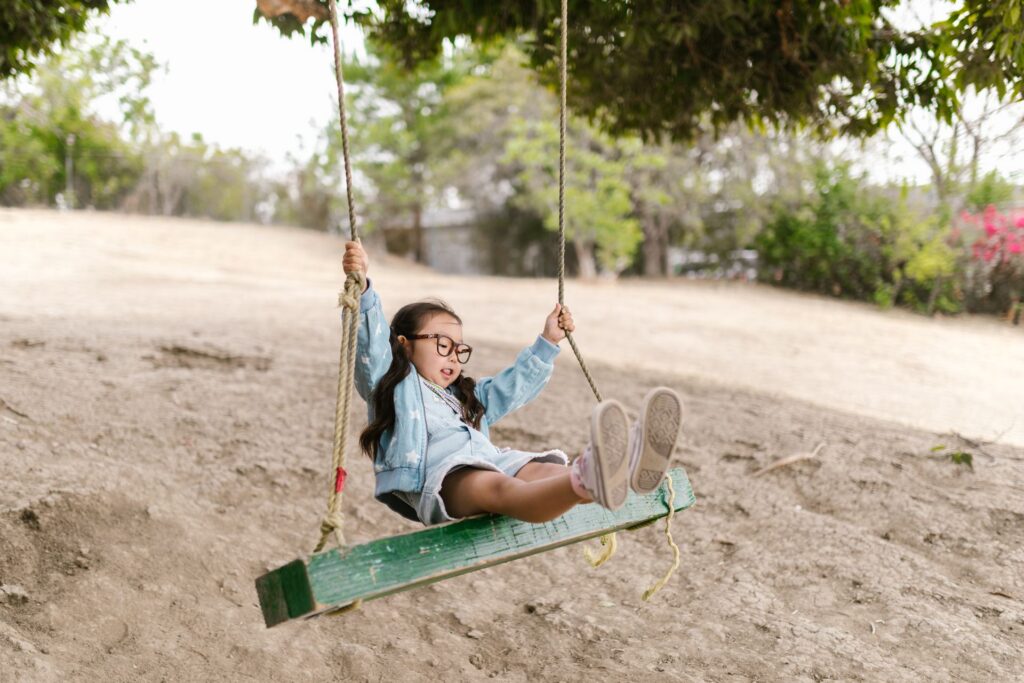
These are the kids who spin, rock, jump, and never seem to sit still. Movement input often helps them settle. Our guide to vestibular input explains why swinging calms so many autistic kids.
- Indoor sensory swing. A pod or hammock swing gives your child a calm, enclosed place to rock. Installation matters more than the swing itself, so read how to install a sensory swing indoors safely before you buy. See indoor sensory swings.
- Mini trampoline with a handle. The handle helps younger kids keep their balance while they bounce. See mini trampolines with handles.
- Spinning seat. A low spinning seat gives controlled spinning on the floor. See spinning seats.
Gifts for kids who crave deep pressure
Some kids love to crash, squeeze, and be squeezed. Deep pressure and heavy work can help them feel grounded. Our heavy work ideas for home pair well with any of these.
- Weighted lap pad. Smaller and easier to carry than a full blanket, so it works at the table, in the car, or at a holiday dinner. See weighted lap pads.
- Body sock. A stretchy fabric sock your child climbs inside and pushes against. See body socks.
- Crash pad. A big, soft cushion for safe jumping and crashing. See crash pads.
A safety note on weighted items: weighted blankets, sleep sacks, and swaddles are not safe for babies. The U.S. Consumer Product Safety Commission warns against weighted products for infant sleep. For older kids, ask your child’s doctor or OT about the right weight before you buy. Not sure whether a swing or a weighted item fits your child better? Read sensory swing vs weighted blanket.
Gifts for kids who avoid noise and bright light
For these kids, the holidays are loud, bright, and crowded. The Autism Society suggests bringing sensory supports such as noise-canceling headphones, sunglasses, and fidget toys to holiday events. Any of these make a thoughtful gift.
- Kids’ noise-reducing headphones. Look for a soft headband and a size made for children. See kids’ noise-reducing headphones.
- White noise machine. Helpful at bedtime and in busy homes. See white noise machines.
- Warm, dimmable night light. Gives control over light in the bedroom. See dimmable night lights.
Planning a calmer room overall? Our sensory-friendly bedroom guide walks through lighting, sound, and furniture.
Gifts for kids who need to fidget and touch
- Fidget kit. A box of mixed fidgets lets your child find what works for them. See fidget kits.
- Stretchy sensory strings. Quiet and easy to pack for school or the car. See stretchy strings.
- Tag-free, seam-free clothing. For kids who fight scratchy labels and seams, soft clothing can be the most-used gift of the year. See tag-free clothing.
Gifts that create a calm-down space
- Pop-up sensory tent. A small, dim space your child can crawl into when the house gets loud. See sensory tents.
- Bean bag chair. Soft, hugging, and easy to sink into. See bean bag chairs.
Pair a calm-down space with a simple sensory diet so your child uses it before they are overwhelmed, not only after.
Can I use FSA or insurance money for sensory equipment?
Sometimes. Many sensory items count as dual-purpose products, so they usually need paperwork from your child’s doctor or therapist. Some families also get equipment paid for through Medicaid waivers, school plans, or grants. Our guide to free sensory equipment funding covers every route.
A gift for the mom doing all of this
You spend the season planning around everyone else’s needs. If you want something for yourself, the All-Access Pass gives you all 24 Mom of Special Needs eBooks, yours to keep. Through December 1, code BFCM49 takes it from $97 to $49.
And if the holidays tend to end in meltdowns at your house, grab our free 60-Second Meltdown Reset before the first gathering.
Frequently asked questions
What is a good sensory gift for an autistic child who has everything?
A second copy of something that already works, for school or the car, or a calm-down space like a sensory tent. Kids who have plenty of toys often still lack a quiet place of their own.
Are fidget toys good gifts for autistic kids?
For many kids, yes. A mixed fidget kit is a safe first choice because your child can find the textures and movements they like.
What should I avoid buying?
Avoid loud, flashing toys for kids who avoid noise and light, and never give weighted sleep products to babies. When in doubt, ask the child’s parent which senses their child seeks and which they avoid.