
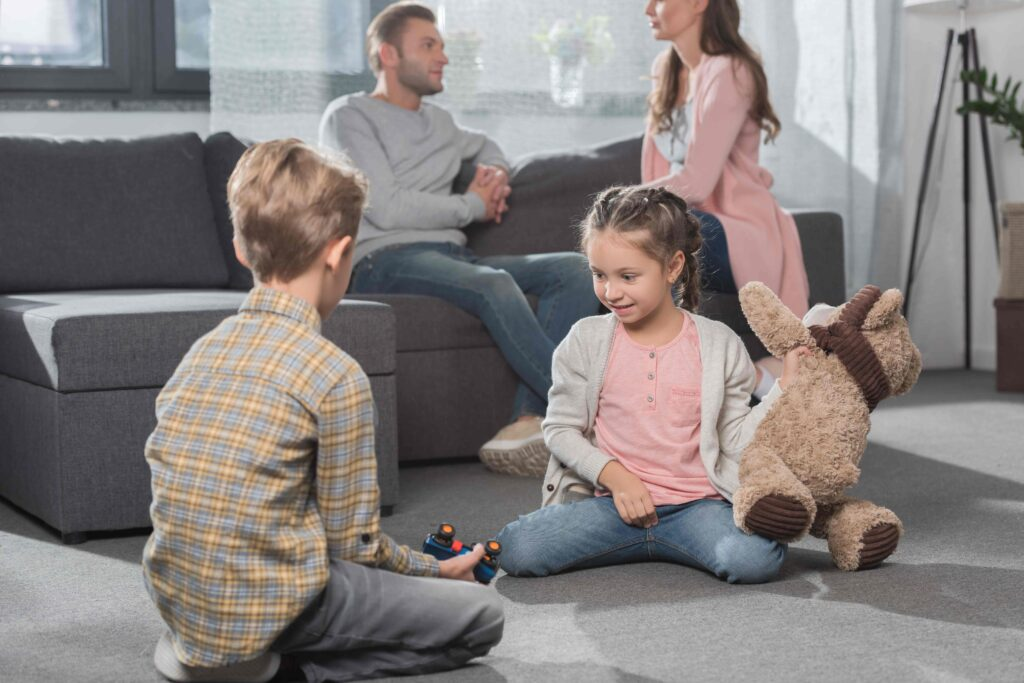
As parents, particularly moms, of children with special needs, finding effective and enjoyable ways to support learning can be a challenge. However, integrating play into daily learning activities is not only beneficial but also essential for the development of these children. Play isn’t just about fun. It’s a vital part of how children learn and understand the world. For children with special needs, play provides unique opportunities to develop physical, cognitive, and social skills in a relaxed setting.
Quick answer: Integrating play into everyday learning for special needs children means embedding developmental goals into activities your child already enjoys, which increases engagement and makes learning feel natural rather than forced.
The Importance of Play in Learning
Children with special needs often experience the world differently. Traditional learning methods that rely heavily on verbal instruction and passive listening may not be the best approach for every child. Play makes learning tangible, allowing these children to experiment, solve problems, and understand concepts through action and interaction. Crafting Connections turns play into social skills that carry over to the playground.
- Sensory Benefits: Play often involves sensory activities that are crucial for children with sensory integration issues. For instance, sand play helps them experience different textures, while water play can be soothing and offers lessons in volume and fluidity. Designing a sensory-friendly environment, as highlighted in Creating Calm: Designing a Soothing Home Environment for Special Needs, can make these play activities even more impactful.
- Motor Skills Development: Activities that require hand-eye coordination, like building blocks or completing puzzles, aid in fine motor development. Larger play equipment like swings or slides helps improve gross motor skills.
- Cognitive Growth: Play stimulates cognitive development by encouraging children to think creatively, make decisions, and solve problems. Engaging in pretend play, for example, can help develop language and storytelling skills, essential for cognitive and social development.
- Emotional and Social Learning: Through play, children learn to cooperate, take turns, and express themselves. This is particularly crucial for children who might struggle with verbal communication. Play provides a non-verbal mode of expression and interaction, which can be less intimidating and more accessible. These moments of connection remind us of the quiet heroism involved in parenting special needs children, as explored in Everyday Champions: Celebrating the Unsung Heroes in Special Needs Families.
Strategies for Integrating Play into Daily Routines
The key to integrating play into learning is to make it a seamless part of the day. Here are some practical ways to do this:
- Incorporate Playful Learning Opportunities: Identify activities that your child enjoys and finds engaging. Use these activities to weave in learning objectives. For example, if your child loves drawing, use this activity to teach colors, shapes, or numbers.
- Use Technology Wisely: There are numerous apps and games designed specifically for children with special needs that can make learning more interactive and fun. These tools can help children develop specific skills such as counting, reading, or even social cues.
- Create a Stimulating Environment: Arrange a part of your home to be a learning nook, filled with educational toys and materials that encourage play. This could include textured toys, musical instruments, and interactive books. If you’re looking for ideas to build a calm yet engaging environment for your child, Creating Calm: Designing a Soothing Home Environment for Special Needs offers practical guidance for creating a supportive space.
- Schedule Regular Play Times: While spontaneity is a key aspect of play, having a routine where children can expect playtime helps them to feel secure and to manage better in structured environments.
Engaging with Your Child through Play
It’s crucial that you, as a mom, engage with your child during play. This doesn’t mean you need to direct every action, but rather be present and responsive. Follow your child’s lead and encourage their curiosity. Your engagement not only makes the activity more enjoyable but also reinforces the learning taking place. For parents who are navigating the complexities of diagnosis and caregiving, Coping With Diagnosis: A Parent’s Journey shares heartfelt perspectives and strategies for connecting with your child through meaningful moments like play.
Why Play-Based Learning Works Differently for Special Needs Children
The science behind play-based learning is well-established across all child development research, but its application for children with special needs is particularly powerful. According to the American Academy of Pediatrics, play is the primary medium through which children learn language, social skills, emotional regulation, and problem-solving. For children with autism, sensory processing disorder, ADHD, or other developmental differences, play serves an additional function: it provides a low-threat context where new skills can be practiced without the performance anxiety that formal instruction often triggers.
Research published through the Child Mind Institute shows that children with learning and thinking differences often achieve higher rates of skill generalization when new skills are first practiced in play rather than structured instruction. This means that the time you spend playing with your child is not separate from their learning. It is often where the most durable learning happens.
The practical implication is significant for special needs parents who are already managing therapy schedules and educational programs. You do not need to add “educational play time” to an already full calendar. You need to recognize the learning embedded in what you are already doing together, and occasionally make small, intentional adjustments that support your child’s current goals.
Crafting Connections: Social Skills Development for Special Needs Kids
Sources and further reading
Practical Play Ideas by Developmental Goal
For language development, narrate play without pressure. “You put the blue block on. Now the red one.” No questions required, no expectation of response. Simply providing rich language input during play builds vocabulary and comprehension. For social skills, play alongside your child before trying to play with them. Parallel play is developmentally appropriate and relational before turn-taking play. For motor skills, any play involving building, sorting, molding, or manipulating objects is occupational therapy in disguise. For emotional regulation, play that involves your calm presence and gentle pacing teaches a child that their nervous system can safely follow yours.
Conclusion
Integrating play into everyday learning isn’t just about keeping your child occupied. It’s about enhancing their development in a way that respects their individual needs and harnesses their innate curiosity. For moms of children with special needs, seeing your child engaged and learning through play can be deeply rewarding. It’s about creating joyful moments together that also serve as building blocks for lifelong learning.
Remember, each child is unique, and finding what works best for your child might require some experimentation and adaptation. The effort to integrate play into learning is a meaningful investment in your child’s future, helping them to grow and thrive on their own terms.
If you want more of this kind of honest, practical guidance, Crafting Connections goes deeper into using play and creative activities to build social skills in special needs children.
The most important thing you can offer your child during play is your full presence. Put down the phone. Sit at their level. Let them lead. Even ten minutes of genuine, undistracted play with a parent has been shown to reduce behavioral challenges and increase cooperation in children with developmental differences. It is not complicated. It is just hard to protect in a busy life. Protect it anyway.
Frequently Asked Questions
How do I make play educational without making it feel like school?
Follow your child’s lead. Use what they are already interested in as the vehicle for the skill you want to develop. If your child loves trains, counting cars and building tracks develops math and spatial reasoning naturally. You are redirecting existing motivation, not creating new obligations.
My child does not seem interested in playing. What do I do?
Start smaller. True play for some children with sensory or developmental differences looks very different from typical play. It might be spinning an object, lining things up, or repetitive movement. These are play. Start there, alongside them, and let the connection develop without agenda before you introduce any learning goals.
How much play time does a special needs child actually need each day?
The American Academy of Pediatrics recommends daily play as essential for all children’s development. For children with special needs, the quality and appropriateness of play matters more than a specific duration. Even 15 to 20 focused minutes of child-led play with a present, engaged caregiver each day produces measurable developmental benefits.
Should I talk to my child’s therapist about their play?
Yes. Most occupational, speech, and behavioral therapists can give you specific play strategies tailored to your child’s current goals. Ask them to explain what you should look for during play, what responses to celebrate, and what types of play are most useful at your child’s current developmental stage.
Can I use screen-based games as educational play?
Yes, with intentionality. Some apps and programs are genuinely useful therapeutic tools. The key is engagement and interaction. Playing alongside your child with a tablet-based learning app and commenting on what happens is more developmentally beneficial than passive independent screen use, regardless of the content quality.
How do I help siblings play together when one has special needs?
Set them up for success with parallel activities that naturally invite interaction at each child’s level. Brief, structured play sessions with a parent present to model the interaction are more successful than long unstructured time together. Celebrate any moment of genuine connection, no matter how brief.