
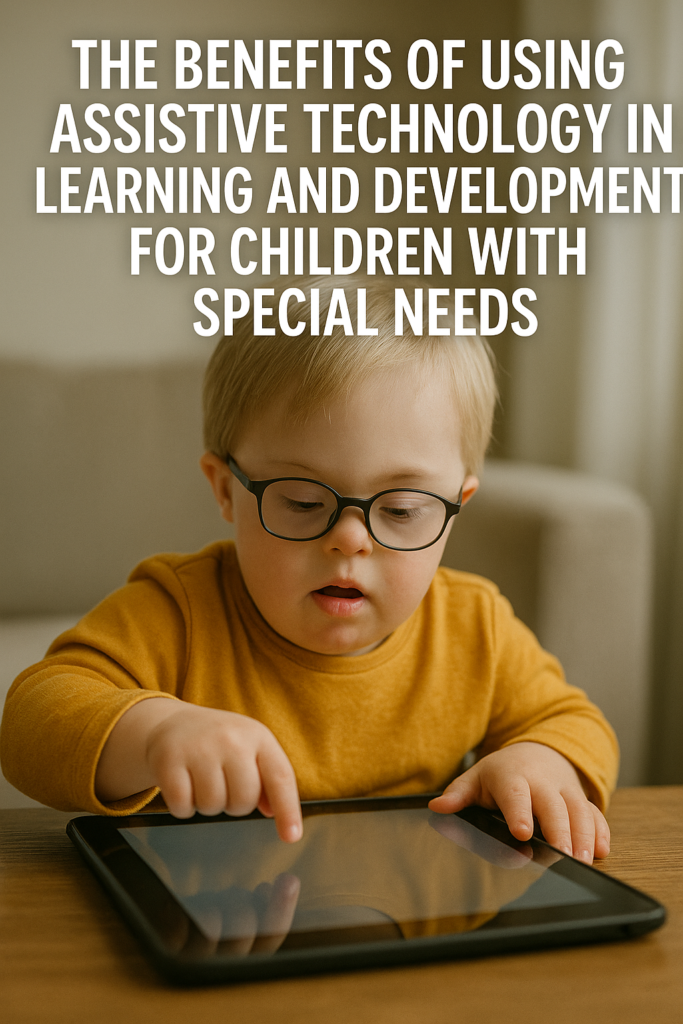
In today’s educational settings, assistive technology (AT) has become a crucial tool for children with special needs, enabling them to access learning materials and participate in educational activities alongside their peers. Assistive technology includes a wide range of devices, software, and equipment that are designed to help individuals with disabilities perform functions that might otherwise be difficult or impossible. For mothers of special needs children, understanding the benefits of these technologies can be empowering and transformative, both for them and their children.
Quick answer: Assistive technology for special needs children includes any tool that compensates for a functional limitation, from simple picture communication apps to specialized reading software. Used consistently, AT can significantly increase independence, learning access, and quality of life.
Enhanced Accessibility
One of the primary advantages of assistive technology is its ability to make learning materials more accessible. For children with visual impairments, tools like text-to-speech software, screen readers, and magnification apps bridge the gap between traditional materials and their specific needs. Similarly, hearing-impaired children benefit from apps that translate speech into text in real-time, fostering inclusivity in classrooms and social settings. For mothers of special needs children, this accessibility not only empowers their child but also opens up opportunities to celebrate their unique learning moments. The journey can be both challenging and rewarding, as explored in Moments of Joy: Celebrating the Small Wins in Special Needs Parenting, a resource that highlights the importance of cherishing these transformative experiences.
Improved Communication
Communication is at the heart of learning and social connection, and assistive technology often becomes a vital tool for children who struggle with conventional speech. Devices like speech-generating tools and specialized communication apps enable these children to express themselves effectively. This advancement not only supports academic progress but also nurtures their self-confidence and ability to interact socially. For parents, especially mothers of special needs children, watching their child overcome communication barriers can be an emotional and uplifting experience. Love Without Limits: Understanding the Emotional Journey of Special Needs Parenting delves into the profound impact these milestones have on both the child and their family, offering insights and encouragement. School IEP Wars has the wording for getting assistive technology written into the plan and funded by the district.
Personalized Learning Experiences
Every child learns differently, and this is particularly true for children with special needs. Assistive technology can tailor educational experiences to meet the individual needs of these children. Adaptive keyboards and switches allow children with physical disabilities to interact with computers and tablets to complete assignments and engage in interactive learning activities. Meanwhile, cognitive learning software adapts to the pace and ability level of the user, facilitating a customized learning experience that is suited to their unique needs.
Increased Independence
For many children with special needs, achieving independence is a powerful step forward in their development. Assistive technology provides them with tools to complete tasks autonomously, from mobility aids that navigate school hallways to educational software that guides them through learning exercises. This newfound freedom boosts their confidence, motivation, and overall sense of self-worth. Mothers of special needs children often find that their child’s independence transforms their dynamic as a family, creating opportunities for shared pride and celebration. For guidance on balancing these milestones with personal well-being, Finding Your Path: A Guide to Self-Care for Mothers of Special Needs Children is an invaluable resource, helping parents navigate the complexities of their caregiving roles.
Bridging the Educational Gap
Assistive technology plays a crucial role in bridging the gap between children with special needs and their peers. With the right tools, children can achieve academic milestones that may have previously seemed out of reach. This not only fosters their self-esteem but also promotes social inclusion and emotional well-being. For mothers of special needs children, advocating for these technologies means opening doors to a more equitable and fulfilling educational experience for their child. Recognizing these successes and celebrating them, no matter how small, can create lasting memories. In Moments of Joy: Celebrating the Small Wins in Special Needs Parenting, parents can find inspiration to appreciate these moments and build on them.

School IEP Wars: How to Win the Services Your Child Deserves
Sources and further reading
Support for Mothers and Educators
The benefits of assistive technology extend beyond children. They also provide critical support to the mothers and educators involved in their journey. Technology simplifies tracking progress, creating customized learning plans, and adapting strategies to meet a child’s evolving needs. For mothers, these tools are not just practical aids. They represent hope and empowerment as they navigate the complexities of special needs parenting. The emotional resilience and strength required in this role are thoughtfully explored in Love Without Limits: Understanding the Emotional Journey of Special Needs Parenting, which offers a compassionate lens on how technology and emotional growth go hand-in-hand.
How Assistive Technology Changes the Learning Equation
Assistive technology does not replace therapy or instruction. It removes or reduces the barriers that prevent a child from accessing therapy and instruction in the first place. According to the National Institute of Child Health and Human Development (NICHD), AT tools significantly improve educational outcomes for students with disabilities when they are appropriately matched to the child’s specific functional needs and supported by trained adults who help the child use them consistently across settings.
The Child Mind Institute’s overview of AT for learning disabilities emphasizes that the technology itself is less important than the matching process. A speech-generating device that does not match a child’s vocabulary and motor capabilities will not be used. A text-to-speech app that overwhelms a child with auditory sensitivities will create more stress than support. The first step is always a formal AT evaluation from a qualified specialist who can assess your child’s specific functional profile and recommend tools accordingly.
Under IDEA, your child has the right to an assistive technology evaluation at no cost if the IEP team determines AT may be needed for your child to benefit from their education. This is a legal right, not a luxury, and it is worth requesting formally in writing if you believe AT could help your child. The outcome of that evaluation, including which devices or services are recommended, becomes part of your child’s IEP.
Conclusion
The integration of assistive technology in learning and development for children with special needs offers numerous benefits that extend beyond the classroom. It empowers these children to overcome barriers, participate fully in their educational journey, and achieve greater independence. For mothers of special needs children, investing in and advocating for advanced assistive technologies is not just about providing support. It’s about opening up a world of opportunities for their children to explore and thrive in. As we continue to see advancements in this field, the potential for transformative educational experiences becomes even more promising.
If you want more of this kind of honest, practical guidance, Crafting Connections goes deeper into using tools and activities that build functional skills and connection for special needs children.
Finally, remember that AT adoption takes time. Most families need several months to integrate a new device or tool into their routines. The first few weeks of inconsistent use are not failure. They are the learning curve. Keep showing up with the device, keep it charged and accessible, keep using it alongside your child even when it feels awkward. Consistency eventually becomes fluency.
Frequently Asked Questions
How do I know if my child needs assistive technology?
If there is a gap between what your child can do and what they need to do because of a disability, AT is worth exploring. Signs include difficulty accessing written text, inability to communicate needs, challenges with fine motor tasks required for school, or difficulty organizing and managing learning materials.
Is my child’s school required to provide assistive technology?
Under IDEA, if AT is required for your child to benefit from their education, the school must provide it at no cost. Request an AT evaluation formally in writing. The evaluation results and any recommended devices or services must be included in your child’s IEP.
What is the best communication app for a non-verbal child?
There is no universal best answer. Common high-quality options include Proloquo2Go, TouchChat, and LAMP Words for Life. The best app is the one that matches your child’s vocabulary level, motor capability, and sensory profile. Work with an SLP to trial options before committing to a system.
Can assistive technology be used at home and school?
Yes, and consistency across settings is essential for generalization. If your child uses a communication device at school, they need access to it at home too. Request that the school’s AT specialist train you to support your child’s AT use at home, and ensure the device goes home daily.
How do I get funding for assistive technology?
Funding sources include your child’s school (for educational AT), Medicaid waivers, state vocational rehabilitation programs, disability-specific grants, and some insurance plans. Many AT devices can also be borrowed from state AT lending programs before purchase. Your state’s AT program website is the best starting point for funding options.
My child refuses to use their AT device. What should I do?
Device abandonment is common when AT has not been appropriately matched or when adults are not supporting its consistent use. Work with the SLP to reassess whether the device is truly a good fit. Sometimes a different device, a different vocabulary, or more adult-supported practice in motivating contexts is the solution.