
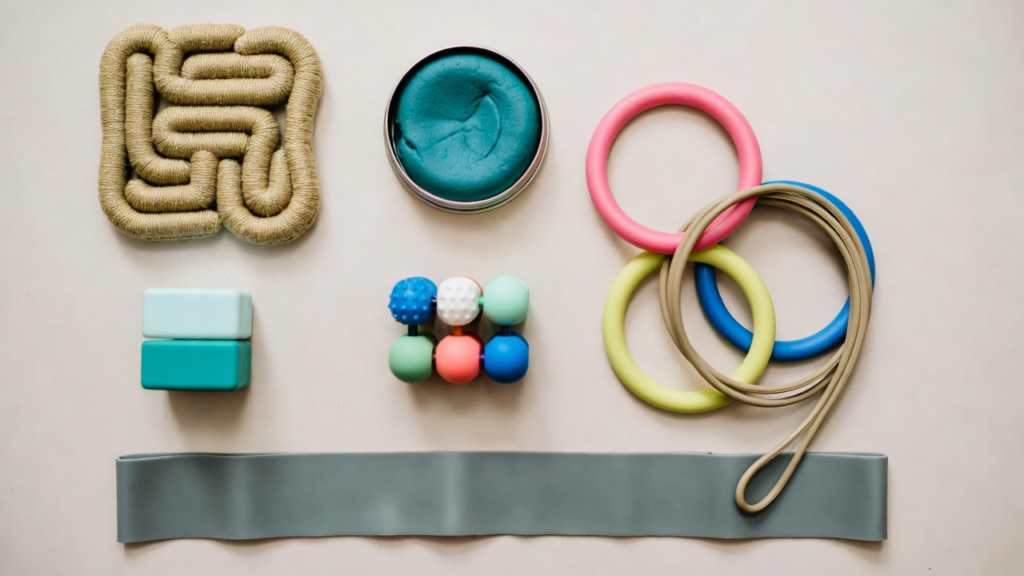
Best Fidget Toys for Kids with ADHD and Sensory Processing Disorder (What Actually Helps Focus)
When my daughter’s teacher first suggested a fidget toy in class, I was skeptical. Wouldn’t it be more distracting? Three years and about 40 fidgets later, I can tell you: the right fidget is transformative. The wrong one is chaos.
Here’s what I’ve learned about finding the right one for your child.
Why Do Fidget Toys Help Kids with ADHD and SPD?
For many kids with ADHD or Sensory Processing Disorder, the brain needs a certain level of input to stay focused. When a child is tapping their foot, chewing their pencil, or squirming in their chair, they’re not being bad — they’re self-regulating. A fidget toy gives the hands something constructive to do so the brain can focus on the task at hand.
The key is finding a fidget that provides enough sensory input to satisfy the need without demanding visual attention.
What Makes a Good Fidget Toy?
- Can be used without looking at it
- Silent or very quiet (school-appropriate)
- Durable enough to withstand continuous use
- Matched to your child’s specific sensory needs
Top Fidget Toys by Sensory Type
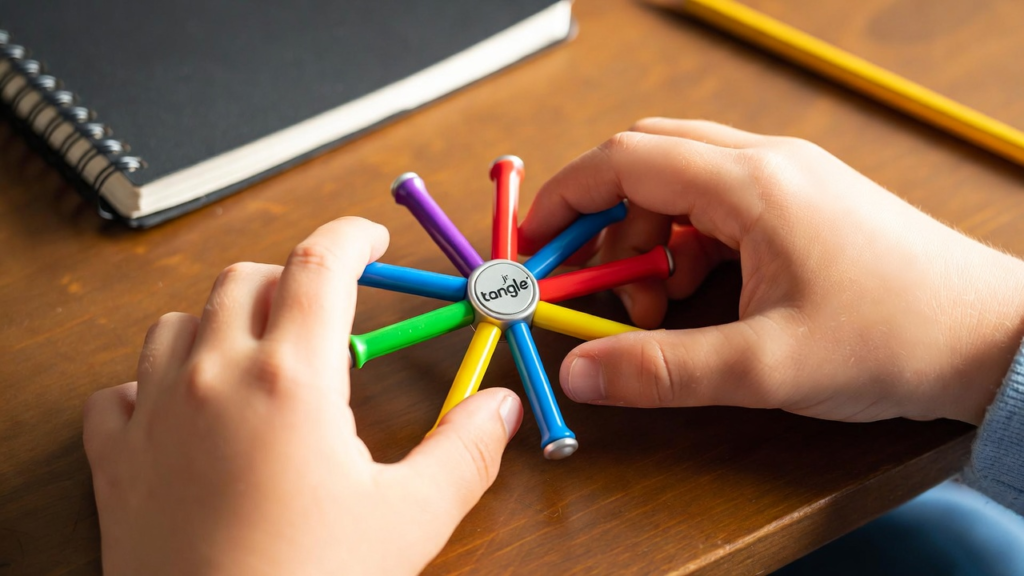
For Tactile Seekers (loves textures)
- Tangle Jr. — a jointed twist toy that can be bent and reshaped silently
- Bumpy sensory rings — worn on a finger, provides constant texture feedback
- Kinetic sand in a small sealed container for desk use
For Proprioceptive Seekers (needs pressure/resistance)
- Therapy putty — different resistance levels from soft to firm
- Stress balls (get the non-squeaky kind for classrooms)
- Resistance bands tied to chair legs — children can push against them with their feet
For Auditory Seekers (needs sound input)
- Click-top pens (classic but effective)
- Quiet fidget cubes with clicker and switch features
- Note: Reserve louder fidgets for home use only
For Visual Seekers (drawn to movement)
- Liquid motion bubblers — for home calm-down time
- Small spinning tops — use at a designated calm corner
- Avoid visual fidgets in classroom settings as they draw other kids’ attention
How to Introduce a Fidget Toy
- Let your child choose it — buy-in matters
- Practice using it at home first before sending it to school
- Set expectations: the fidget stays in the hand or desk, not flying across the room
- Talk to the teacher — frame it as a self-regulation tool, not a toy
A Note on the Fidget Spinner Craze
Fidget spinners went viral as ‘ADHD tools’ a few years ago. The problem? They require visual attention to use. Most occupational therapists don’t recommend them as classroom tools for exactly this reason. Use them at home if your child loves them — just don’t expect them to improve focus during a lesson.
Final Thought
The best fidget toy is the one your child reaches for — the one that keeps their hands busy enough for their brain to do its job. Trust your child’s signals. They know their body better than any list does.