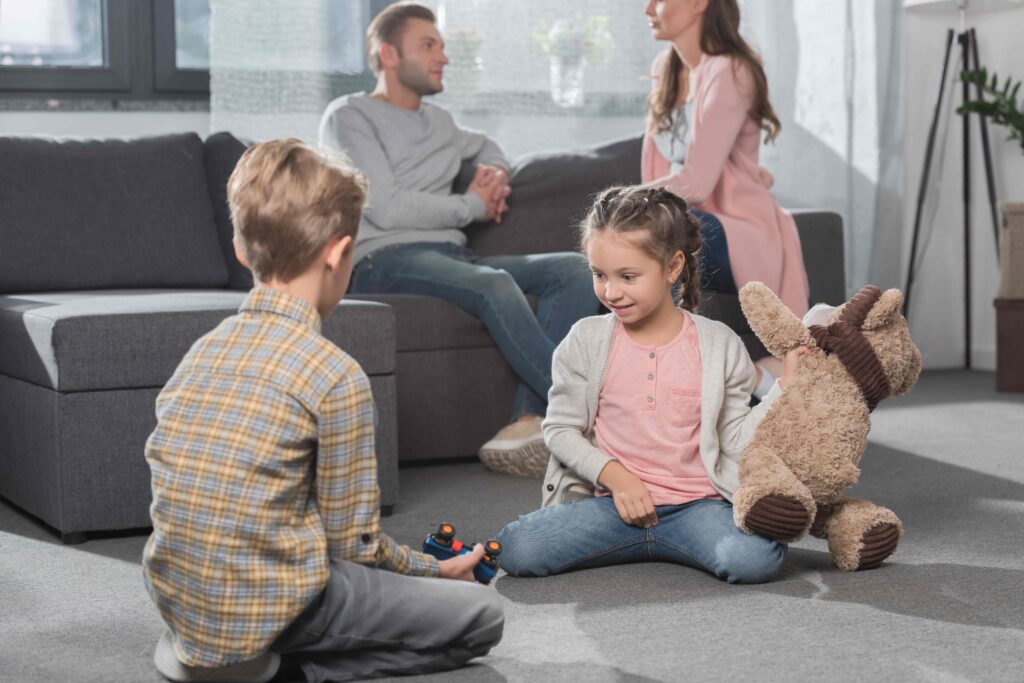

Routine for children with special needs is not about control. It is about removing the fear of what comes next.
Parenting a child with special needs comes with unique challenges and joys. One of the foundational elements that can make a significant difference in the lives of these children, as well as their families, is establishing a consistent daily routine. Here’s why routines are so crucial for children with special needs and how they can help both the child and their caregivers.
Quick answer: Routine is one of the most powerful tools for children with special needs because it reduces anxiety by making the world predictable. Consistent daily routines lower meltdown frequency, support skill development, and improve sleep and behavior across the board.
Stability and Security
Children with special needs often experience heightened sensitivity to their environments and may have difficulties processing information. A set routine creates an environment of predictability and security, where these children know what to expect next. This predictability can reduce anxiety and help them navigate their day more smoothly. For families navigating the initial stages of understanding their child’s needs, Coping With Diagnosis: A Parent’s Journey offers invaluable insights into building a sense of stability after the emotional and logistical challenges of a diagnosis. By pairing routines with patience and understanding, families can create a safe space for their child to thrive.
Enhancing Learning and Development
Routines are more than just a schedule. They are an opportunity to establish habits that encourage learning and development. Regular schedules help children improve their focus, memory, and cognitive skills. For instance, a bedtime routine that includes reading can enhance language development, while a morning routine with physical activities can boost motor skills. Creating an environment where children feel supported in their development is not just about the family unit. It’s about the community as well. Creating an Inclusive Community for Special Needs Families explores ways to build inclusive spaces that encourage learning and social interaction for special needs children. Creating Calm covers predictable spaces as well as predictable times, and the two together are what make a routine stick.
Building Independence
One of the long-term benefits of a routine for children with special needs is the promotion of independence. By following a consistent routine, children learn to perform tasks on their own and manage their time. These skills are crucial as they grow older and begin to seek more autonomy. Simple tasks like brushing teeth, dressing themselves, or helping to set the table become meaningful milestones. For families with siblings, teaching the importance of independence can also foster empathy and collaboration. Celebrating Differences: How to Teach Siblings about Special Needs provides thoughtful ways to involve siblings in this journey, making them active participants in fostering independence within the family dynamic.
Easing Transitions
Transitions can be particularly challenging for children with special needs. Changing from one activity to another or moving from one setting to another can trigger stress or outbursts. A well-established routine helps these children prepare mentally and emotionally for what comes next, reducing the likelihood of negative reactions. Visual schedules or timers can be helpful tools in easing these transitions.
Providing Comfort to Caregivers
Routines not only benefit the children but also provide immense relief and structure for caregivers and family members. Knowing what to expect each day reduces the daily decision-making load on parents and allows them to plan their time more effectively. It also helps in setting clear expectations for everyone involved, including other family members and educators, which can lead to a more harmonious home environment.
Tips for Establishing Effective Routines
- Start Small: Begin with one or two predictable parts of the day, like morning wake-up times and bedtime rituals. Gradually build more components into the routine.
- Be Consistent, Yet Flexible: While consistency is key, being too rigid can backfire. Allow for some flexibility in the routine to accommodate special occasions or when the child is not feeling well.
- Use Visual Aids: Many children with special needs benefit from visual aids like charts or picture boards that outline the daily schedule. This helps them understand and anticipate upcoming activities.
- Engage Your Child: Involve your child in the routine planning when possible. This inclusion can help them feel more connected and in control of their daily activities.
- Monitor and Adjust: Observe how your child responds to the routine and make adjustments as needed. What works well at one stage of their life may need tweaking as they grow and their needs change.
Creating Calm: Designing a Soothing Home Environment for Special Needs
Sources and further reading
- National Institute of Mental Health (NIMH)
- American Academy of Pediatrics guidance on routines for children
The Neuroscience Behind Why Routine Helps Special Needs Children
For many children with autism and related conditions, the nervous system experiences environmental unpredictability as a threat. According to research from the National Institute of Mental Health (NIMH), children with autism often have heightened activity in the brain’s threat-detection systems, which means transitions, schedule changes, and unexpected events trigger physiological stress responses that neurotypical children would barely register. Routine reduces the volume of perceived threat by making the world legible. When a child knows what comes next, their nervous system can relax enough to actually learn and engage.
The American Academy of Pediatrics guidance on routines for children emphasizes that predictable daily routines support emotional regulation across all developmental populations, and produce especially significant outcomes in children who have difficulty with transitions. Visual schedules, consistent wake times, predictable mealtimes, and reliable bedtime sequences all contribute to a nervous system that is primed for learning rather than constantly in defensive mode.
This does not mean rigidity. It means structure with flexibility built in deliberately. A visual schedule that shows a “surprise” or “choice” slot teaches a child that some unpredictability is contained and manageable, because it appears in a predictable place. That is a sophisticated regulatory skill and it develops through exactly this kind of scaffolded experience.
Conclusion
For children with special needs, a well-thought-out routine is not just a daily schedule but a foundational tool that enhances their quality of life. It builds a sense of security, supports developmental milestones, fosters independence, and helps manage transitions. For caregivers, routines bring predictability and order to what can often feel like a demanding caregiving experience. To strengthen this journey, resources like Coping With Diagnosis: A Parent’s Journey, Creating an Inclusive Community for Special Needs Families, and Celebrating Differences: How to Teach Siblings about Special Needs can provide valuable perspectives and actionable advice. Together, families and communities can embrace the power of routine, unlocking its potential to enrich the lives of special needs children and their loved ones.
If you want more of this kind of honest, practical guidance, Creating Calm goes deeper into designing your home environment and daily rhythms to support your child’s need for predictability and sensory safety.
One final note for the parents who feel guilty every time the routine slips: the goal of routine is not perfectionism. It is consistency over time. Missing a day, surviving a chaotic week, or going completely off-schedule during a crisis does not undo the routine. It is a blip. Return to it without drama and your child will too. The routine is yours to return to, not a standard you have failed when real life interrupts.
Building a routine for children with special needs that holds
Keep the anchors steady: wake-up, meals, and bedtime. Flexibility everywhere else is fine once those feel safe.
Frequently Asked Questions
How strict does a routine need to be to help a special needs child?
Consistent enough to be genuinely predictable, flexible enough not to collapse when life happens. The goal is a routine your child trusts. Even a mostly consistent routine with built-in flexibility slots is far more effective than no routine at all.
How do I handle routine disruptions like vacations or illness?
Prepare your child in advance using a modified visual schedule that shows the change. Keep as many anchor points as possible, like morning and bedtime routines. Allow more decompression time after the disruption. Expect an adjustment period and build that expectation into your plan rather than being surprised by it.
My child fights any kind of structure. How do I introduce routine?
Start with one predictable element of the day, usually bedtime, and build from there. Use visual supports from the start. Pair each routine step with something your child enjoys to reduce resistance. Build the routine collaboratively if your child is old enough to have preferences about the order of steps.
Does routine help with sleep problems in autistic children?
Yes significantly. Consistent bedtime routines are one of the most evidence-supported interventions for sleep difficulties in children with autism. The sequence of calming steps that consistently precede sleep teaches the body to begin the physiological shift toward sleep earlier in the process, reducing bedtime resistance and time to fall asleep.
How do I maintain routine when I am burned out and just cannot do it?
Simplify rather than abandon. When you are depleted, maintain the non-negotiable anchor points, usually meals, bedtime, and morning wake time, and let the rest be looser. A reduced routine is still better than no structure. Recovery from burnout restores capacity to maintain fuller structure again.
Can I use a visual schedule if my child cannot read?
Yes. Visual schedules for pre-readers use pictures, photos of actual objects and locations, or simple icons. Many families photograph the actual steps in their child’s routine and print or display them in sequence. The child does not need to read to understand a picture sequence, and often responds better to photos of their own home and objects than to generic icons.